
The Widower
An Incredible Roller Coaster Ride in February

Looking back, it’s hard to believe, on two levels. Somehow, in February 2024, I managed to bicycle 364 miles.
First, you read that right—I pedaled hundreds of miles, farther than I had ever ridden in one month in my life. During winter in Wisconsin, no less.
Second, I rode all those miles the same month that my wife, Cheryl, died of Alzheimer’s complications.
You might wonder how, as Cheryl lay dying, I could take that much time to bicycle. To which I would reply, how could I not? No one could tell me exactly when the inevitable would happen, and I couldn’t be with her around the clock. The stress, anxiety, and emotional toll were overwhelming. Bicycling became my outlet, my way to burn off some of that burden.
That was a mild February, to be sure. Last month was mild, too, and I pedaled 250 miles. By comparison, the same month last year, I managed just one ride, but it wasn’t for lack of trying. The lone day in which the weather wasn’t too cold or too windy or the trails and roads weren’t snow-covered or icy was last Feb. 25, and I slipped in just 13 miles.
Riding 250 last month seemed an enormous feat. I pedaled my road bike nine different days, the high point being 40 miles on my last ride, Feb. 27.
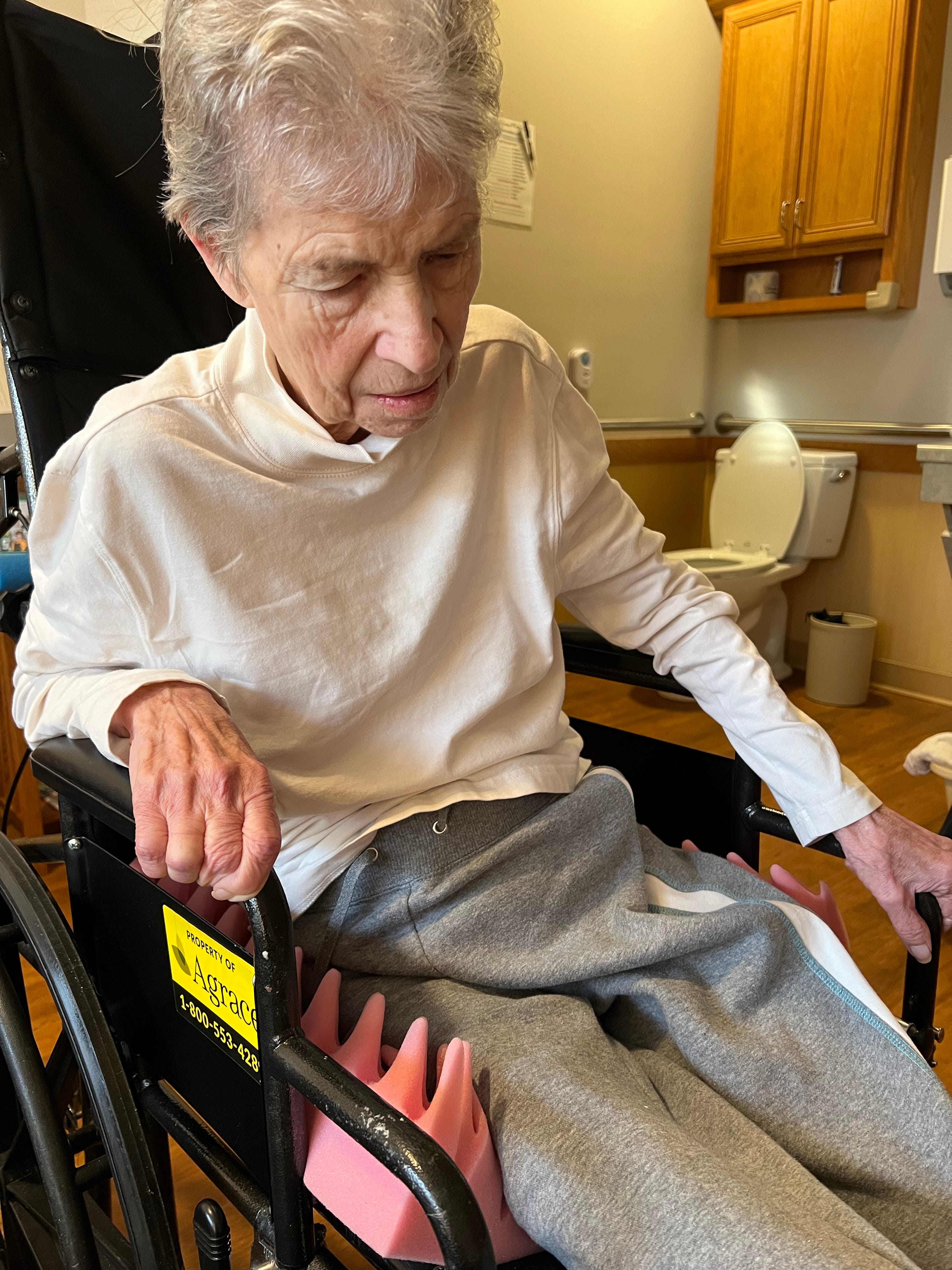
So, I dug out the 2024 calendar I’d saved to reflect on just how I amassed 364 that February. I rode 13 days, and peaked at 35 miles twice, including Feb. 21. That was a day after Agrace Hospice transferred Cheryl from a memory care facility here in Janesville, Wisconsin, where she’d lived 13 months, to its inpatient facility. In fact, I rode four straight days the week of that transfer.
When Cheryl moved to Agrace’s inpatient facility, I was told that Medicare—the government—would pick up the costs of her care.
Feb. 22 was the last of my rides that week, however. That day, the Agrace staff told me that Cheryl didn’t seem in pain and they’d taken her off all medicines, despite a wound on her backside that had become a fistula. Because of that fistula—an abnormal opening between two body parts—Cheryl would probably die of sepsis before she starved to death. At that point, Cheryl was taking in little food or fluids. Two weeks earlier, she weighed a shocking 68 pounds.
I asked, how could she have such a nasty wound but not be in pain? The nursing staff was puzzled, too, but suggested it might be because the flesh back there was already dead.
Because Cheryl had been taken off all medicines, her case was no longer considered “complicated” and Medicare would not pay her for her care. So I faced a decision—return her to the memory care facility, or keep her at the more expensive Agrace inpatient facility and pay for that care myself.
It seemed like a cruel joke. I thought about the woman in the room next to Cheryl’s at the memory care facility. That woman had been lying in bed for three years, unable to feed herself or use the toilet. Might Cheryl face a similar fate?
In a phone call that Thursday and again Friday when two friends supported me in a meeting with an Agrace official, I was told that Cheryl had “short days to short weeks” left and that she wasn’t expected to live longer than a month.
That and the upgrade in the quality of care that I’d already witnessed at Agrace made the decision to keep Cheryl there easy. She died Sunday, two days after that meeting.
Funeral planning and other matters tied up most of Monday, Feb. 26. I jumped on the bike and got in 11 miles before dark. I rode 32 miles the next day and 31 on that Leap Year Feb. 29 to cap the month’s total at 364.
Absent an extended vacation in a warm locale, I doubt I’ll ever again bicycle that many miles in February.
This must of been very difficult to re examine this period in your life. The biking was a saving grace and attempt to grow through all the emotions this would have taken. Greg you Make It possible for others to examine the last few weeks or days of our loss with a new view. Thank you
Mary